
Executing a high-stakes location shoot is a delicate balancing act between meticulous logistical planning and the ability to embrace chaos when the environment pushes back. True professional location work isn't just about finding a "pretty" spot; it’s about establishing a repeatable system that protects the creative vision, the gear, and the talent’s energy regardless of the terrain. When you show up to a place like Hood River or a remote trail, your value lies in being the most prepared person in the elements, ensuring that "unpredictable" never becomes "unsuccessful."

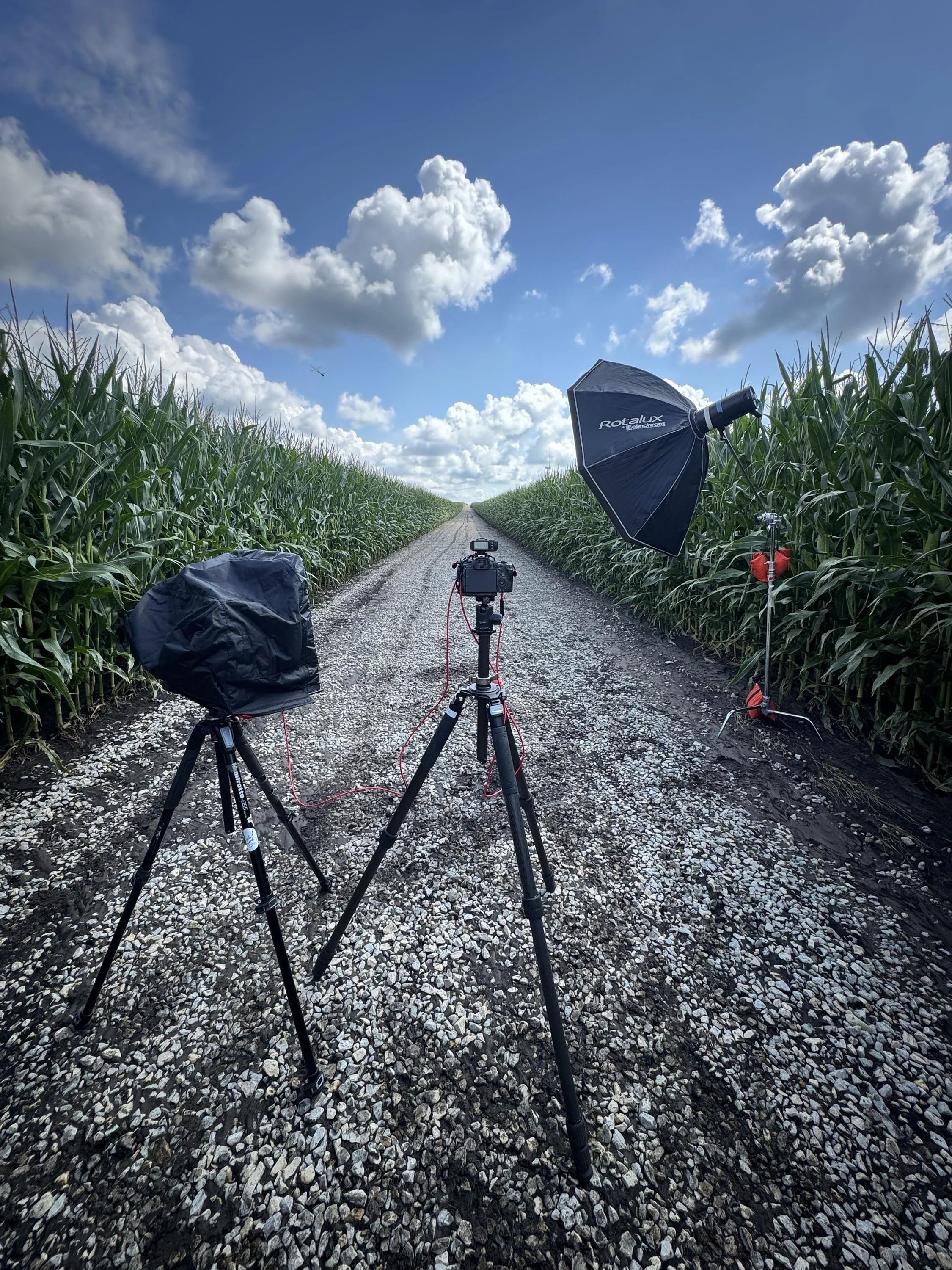
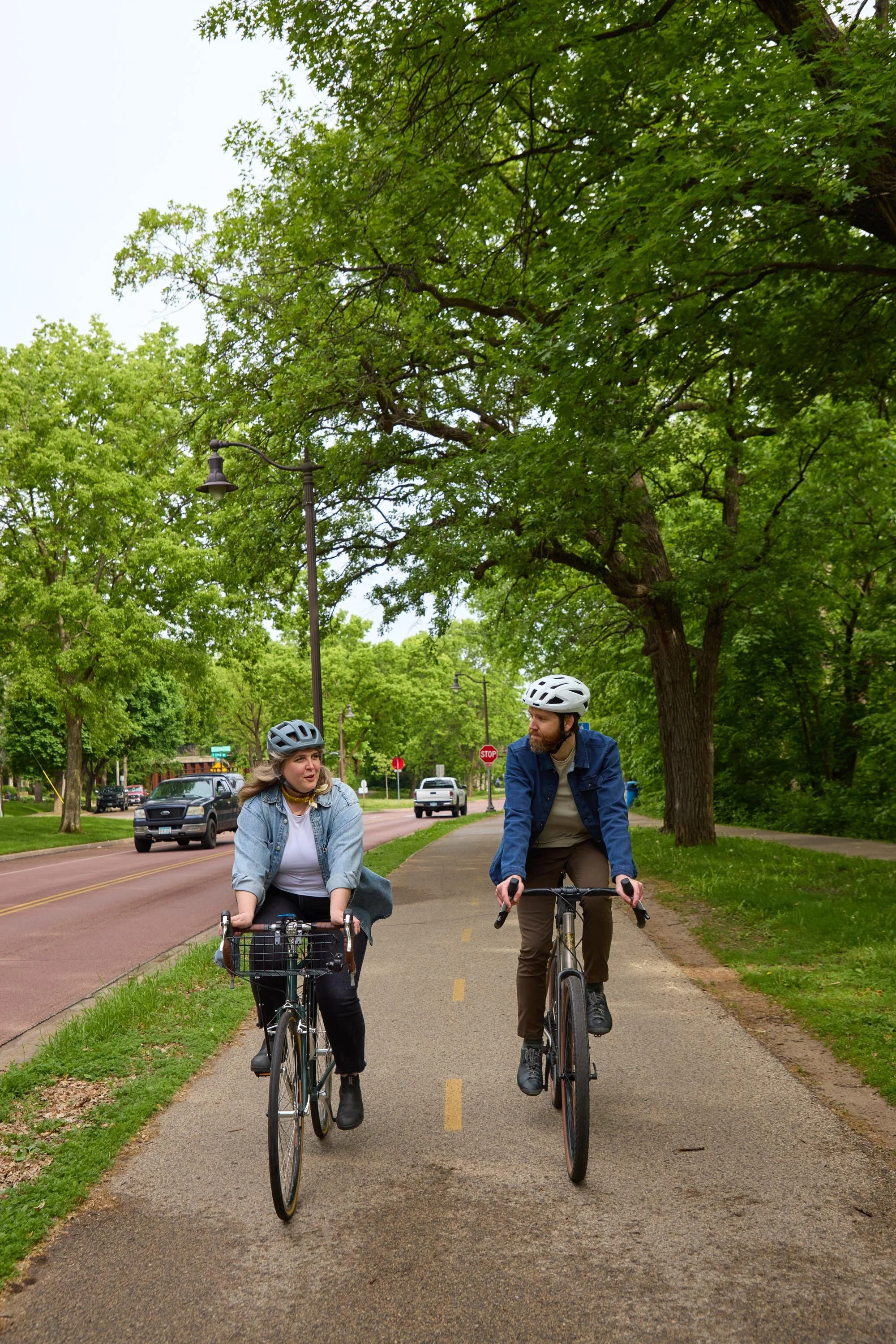
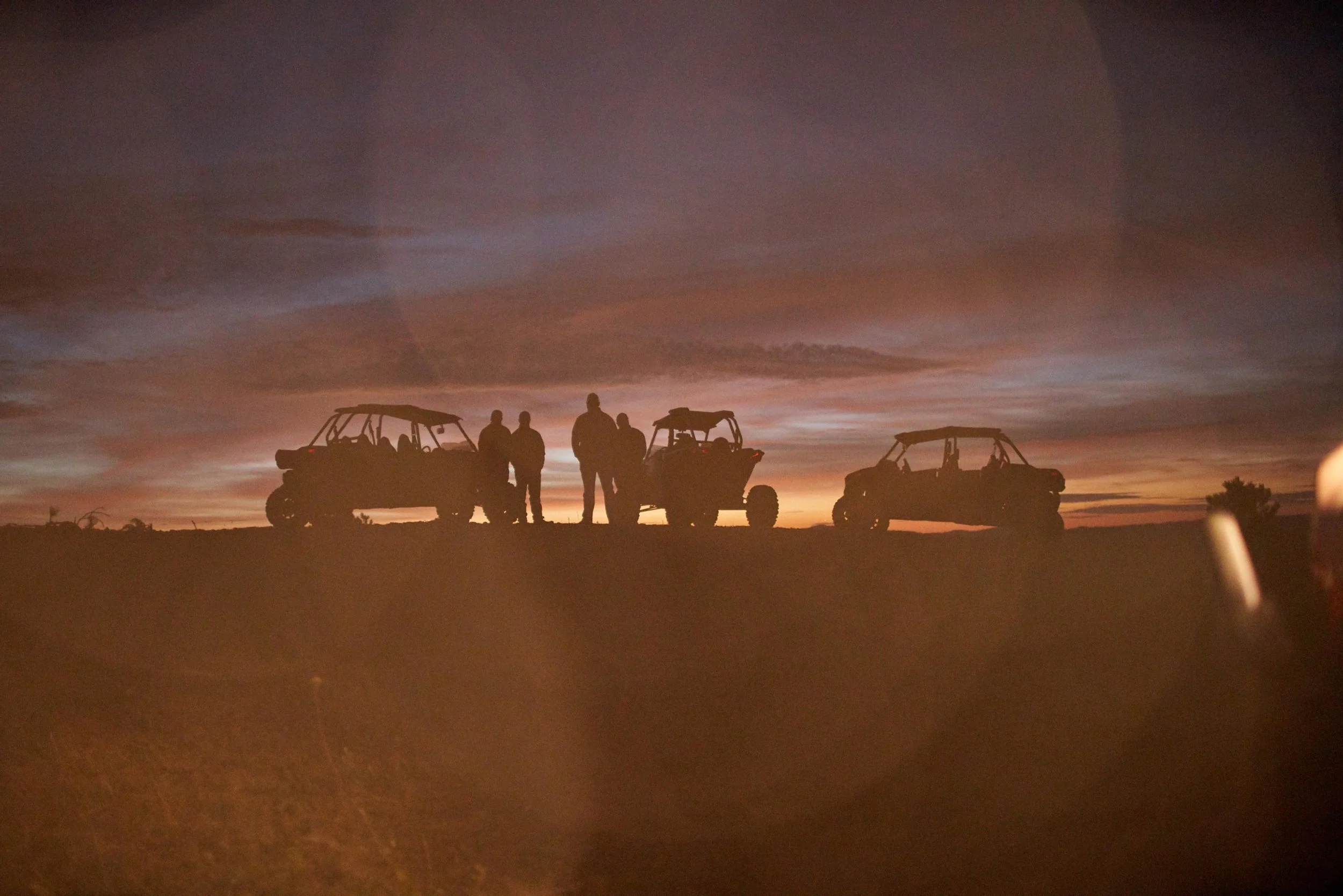
Here are the non-negotiables for on-location production:
Logistics & Scouting
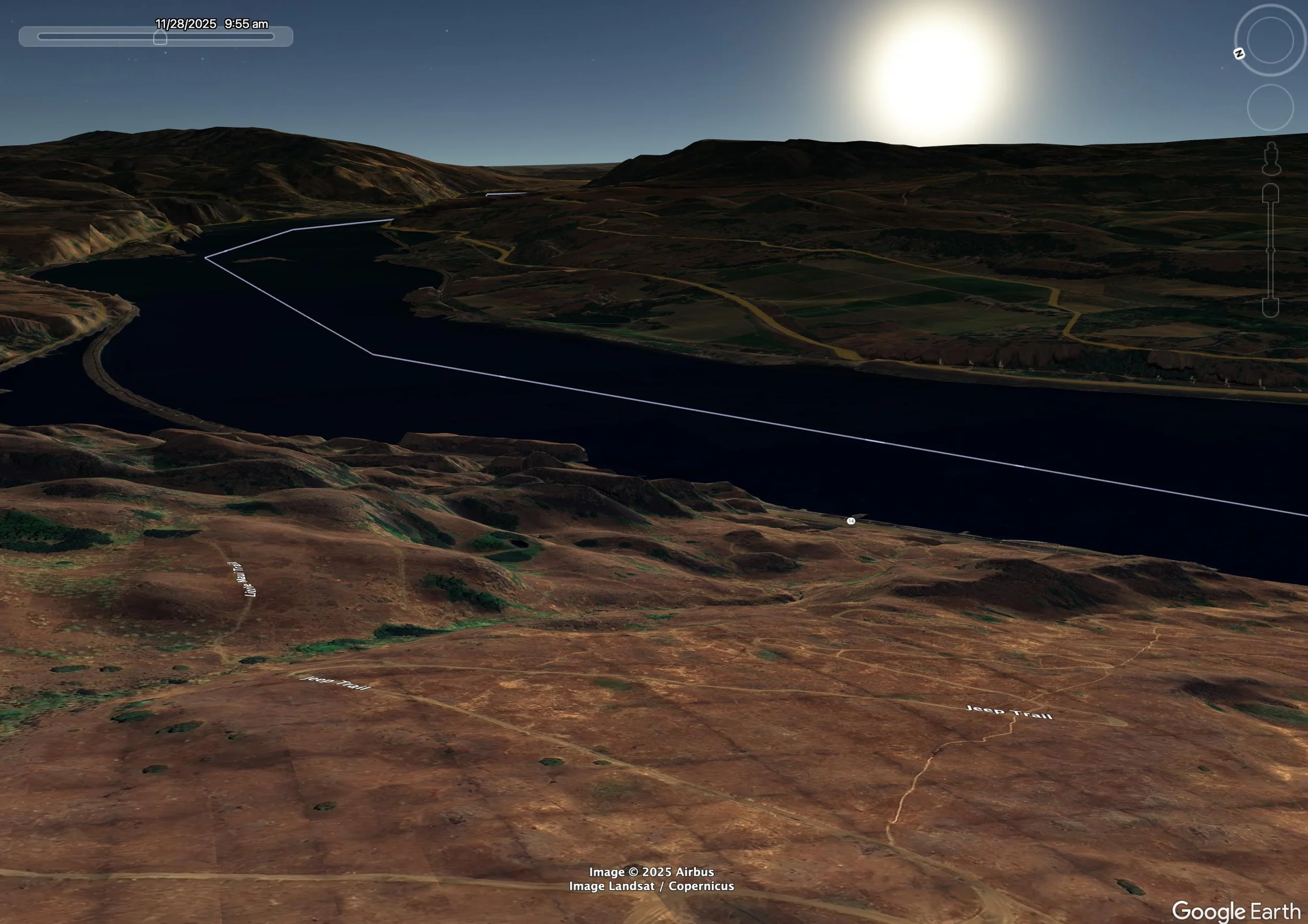
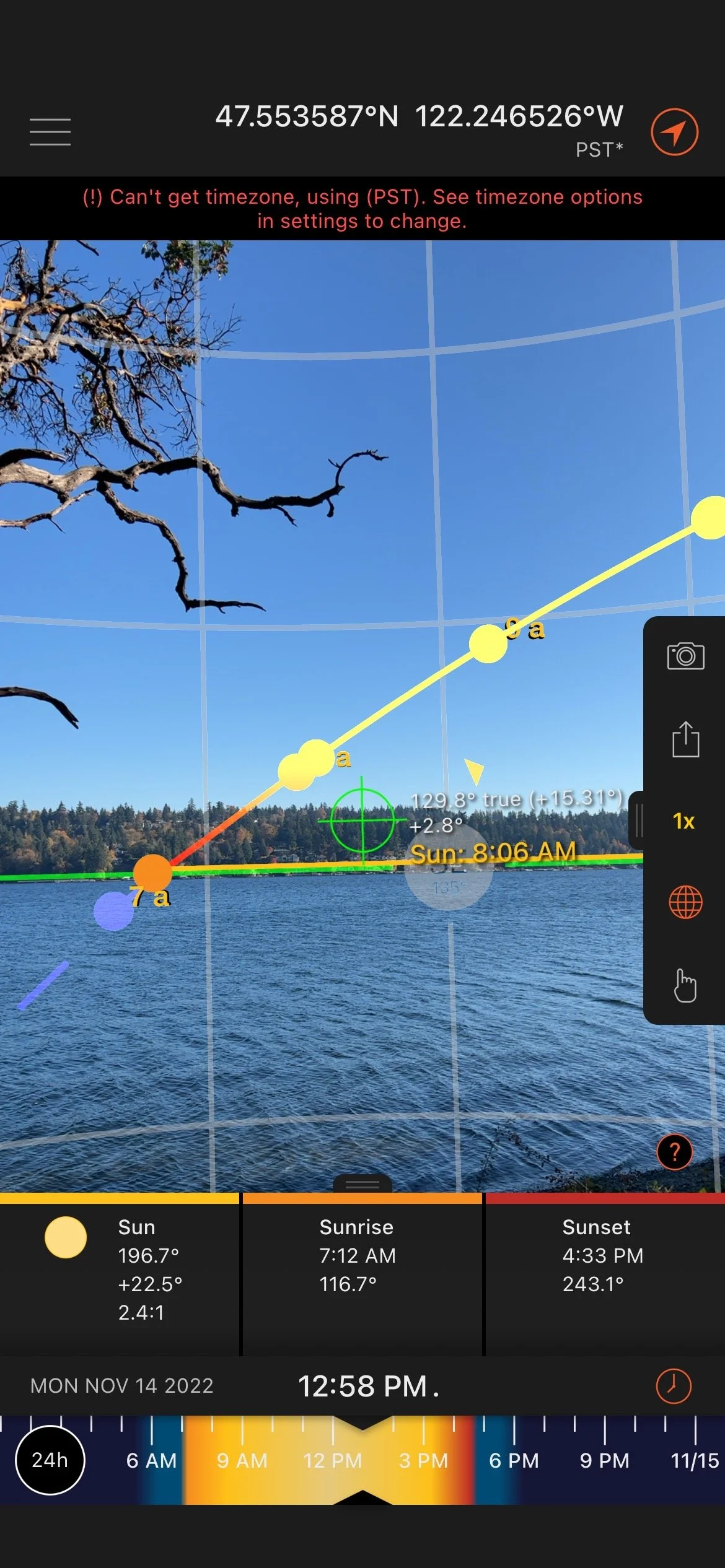
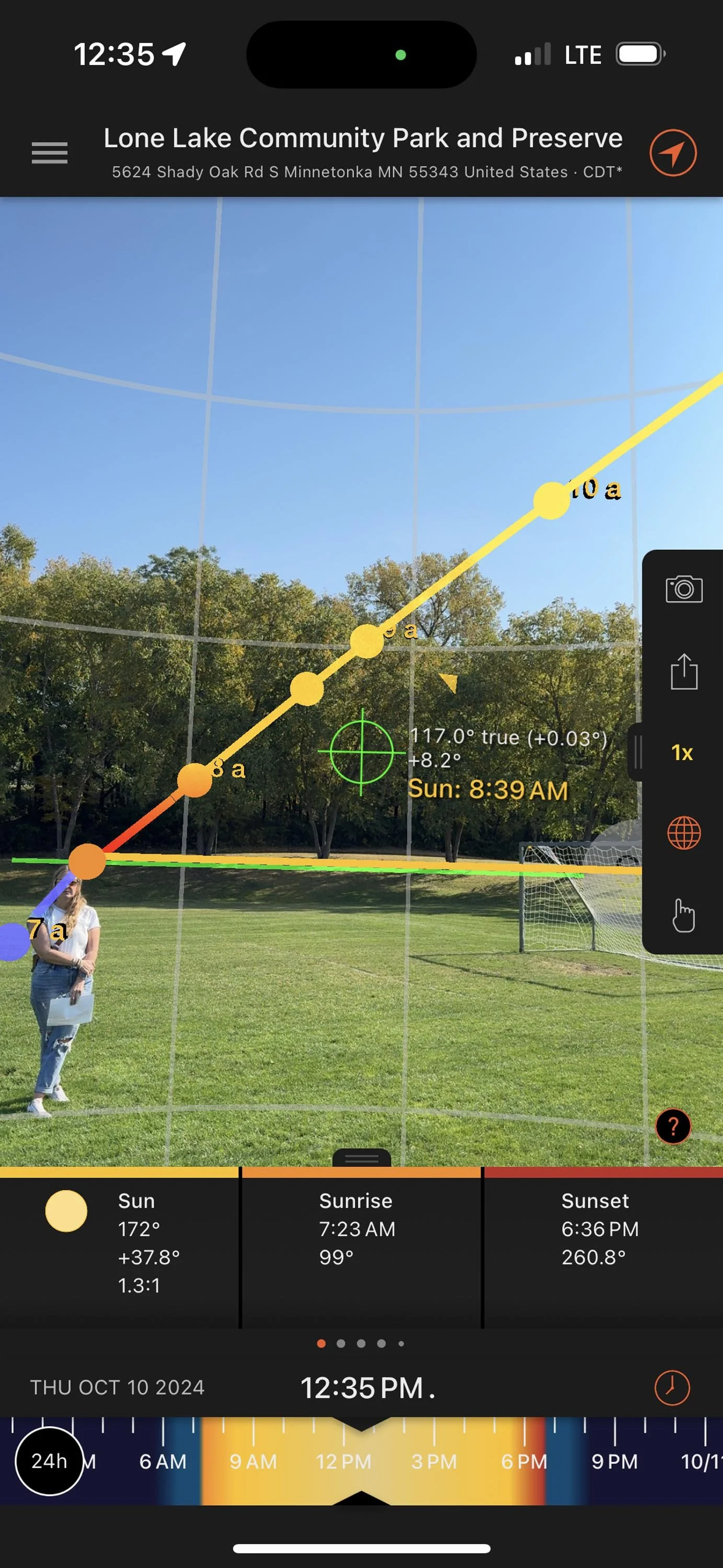
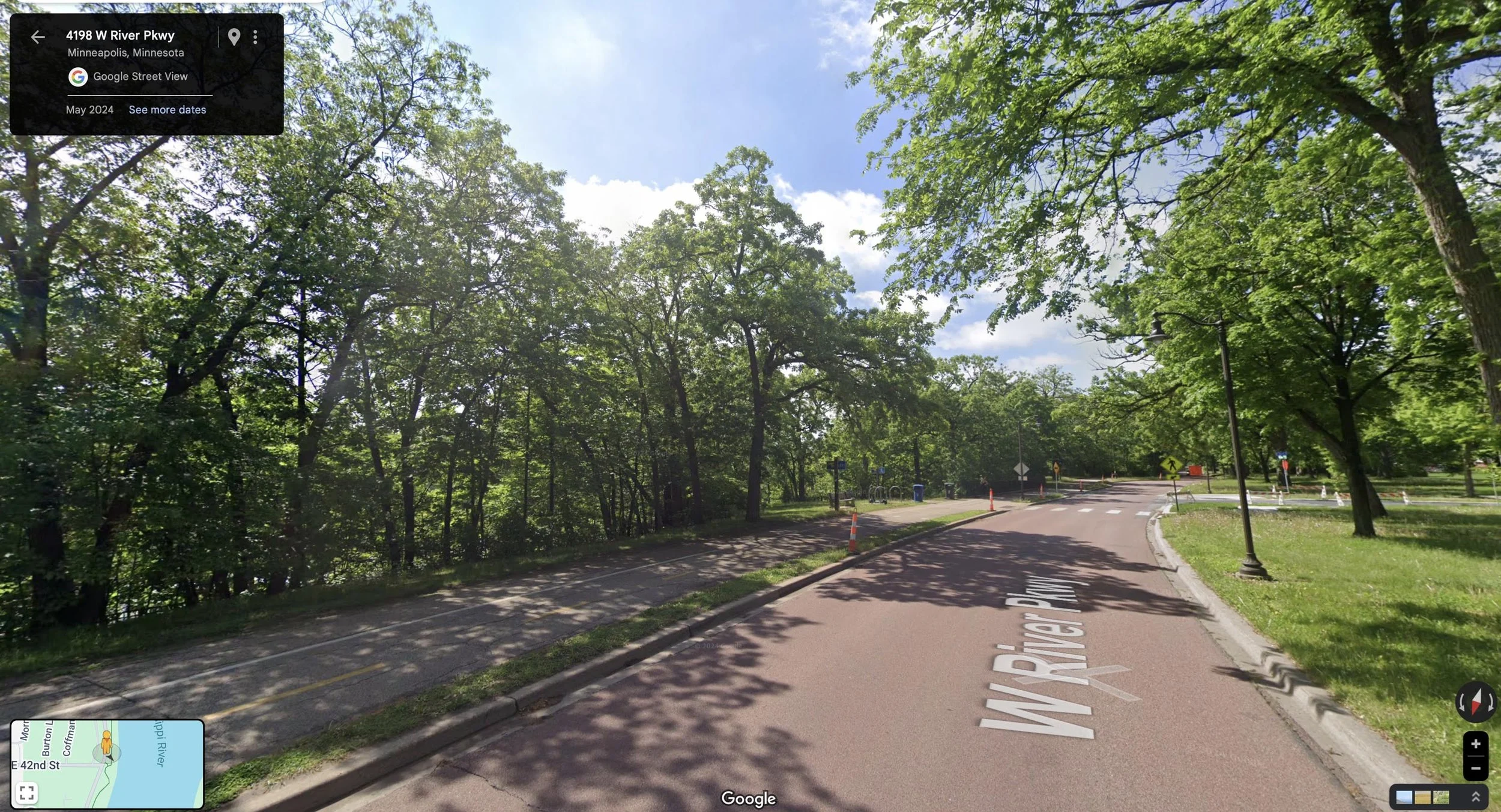
The "Second Light" Rule: Never scout only at noon. You must see your location at the exact time of your scheduled "Hero" shots to map the sun’s path, shadows, and potential flare.
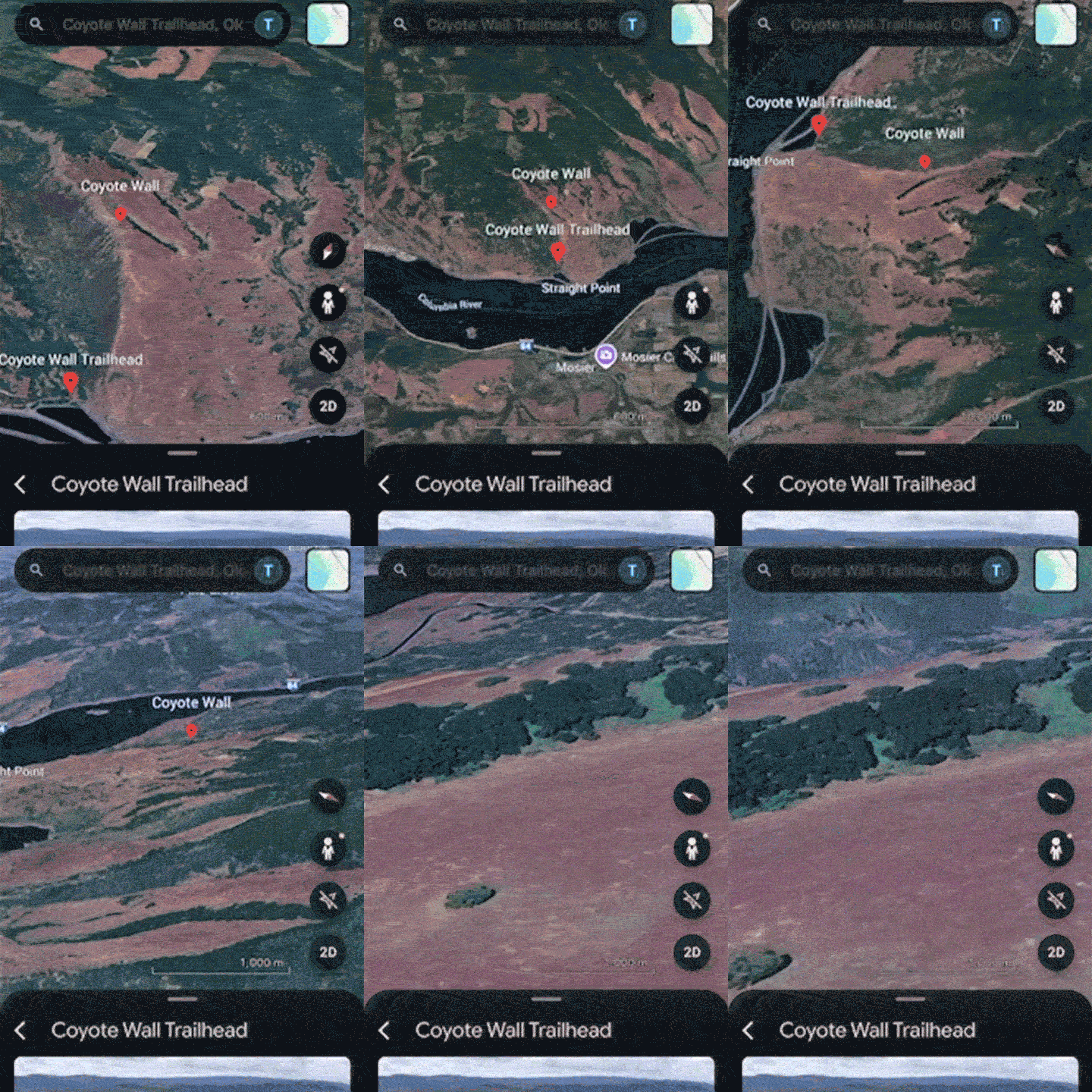
Access & Egress: Confirm exactly how far the crew and talent have to hike. If you're 2 miles from the trucks, your kit must be condensed into "mobile-only" rigs without sacrificing lighting power.
Permit & Landowner Clarity: In rural or remote areas, a handshake is good, but a signed "Location Agreement" is better. Ensure you have clear boundaries on where the crew can and cannot go to avoid trespassing or damaging the environment.
Technical Resilience
Redundancy is Mandatory: On location, "one is none, and two is one." Carry back-up bodies, dual-slot recording, and enough portable power (V-mounts or high-capacity blocks) to run for 12 hours without a wall outlet.
Data Integrity in the Field: Use ruggedized SSDs (like SanDisk Extremes or LaCie Ruggeds). If the shoot is multi-day, never clear a card until the footage is backed up in at least two physical locations.
The "Environmental" Kit: Always pack "dry bags," lens cloths, and rocket blowers. If you're around water or the desert, dust is your primary enemy; if you're in the Midwest, it's moisture. Protect the glass at all costs.
Talent & Crew Management
The "Comfort" Factor: A cold, hungry athlete is a stiff athlete. Always have "Base Camp" essentials: high-calorie snacks, water, and—most importantly—portable shelter or warming layers for the talent between setups.
Communication Silos: In remote areas with no cell service, use high-powered walkie-talkies (like Baofeng or Motorola) to coordinate with your assistant or the b-roll op if they are scouting ahead or behind.
Safety First: Carry a comprehensive field first-aid kit. You are the "Field Lead," and the safety of the talent and crew is your ultimate responsibility.
The Hybrid Workflow (Stills + Motion)
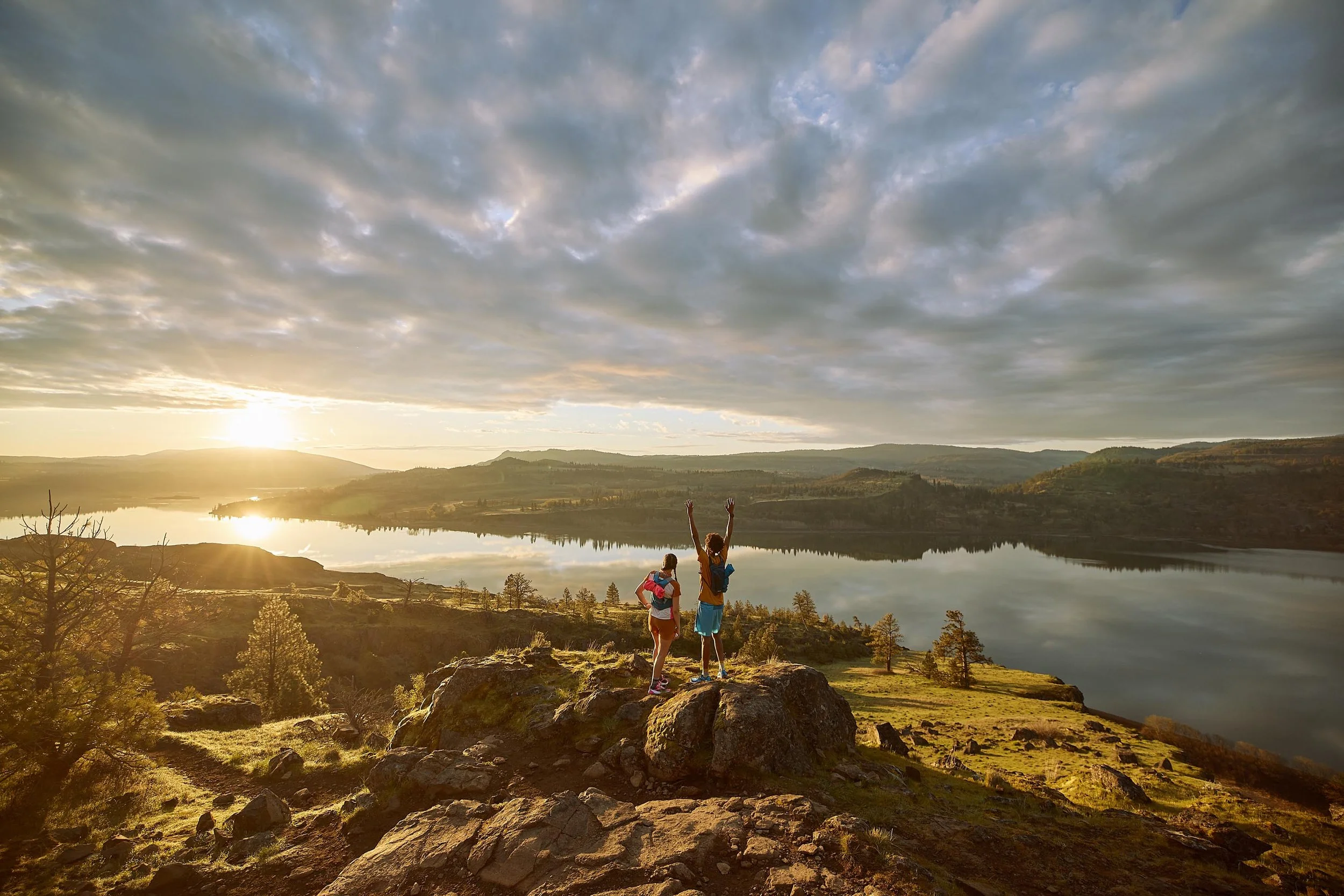
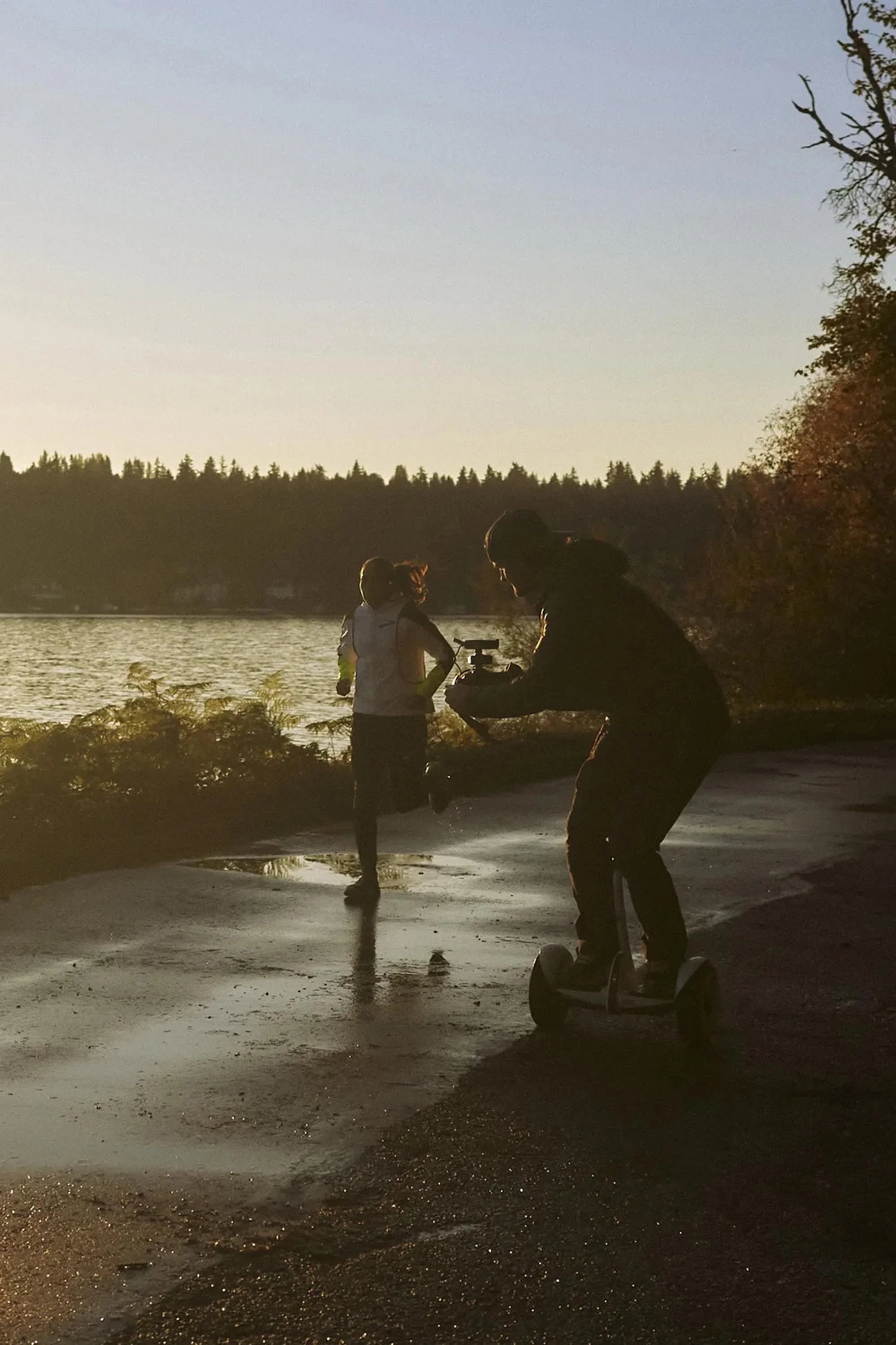
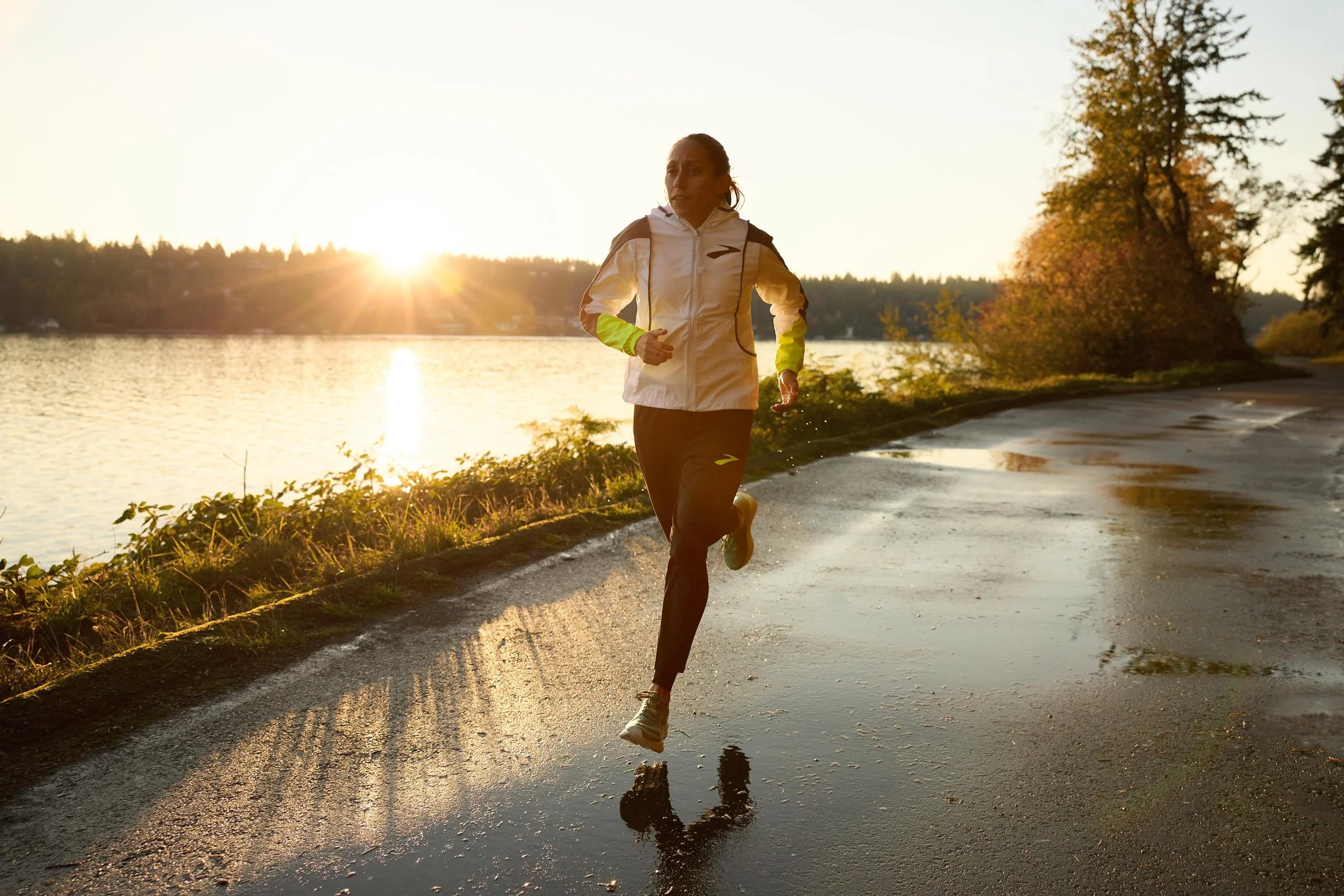
Shared Visual Language: Ensure your settings are synced across your stills and video rigs so the final delivery feels like one cohesive brand story.
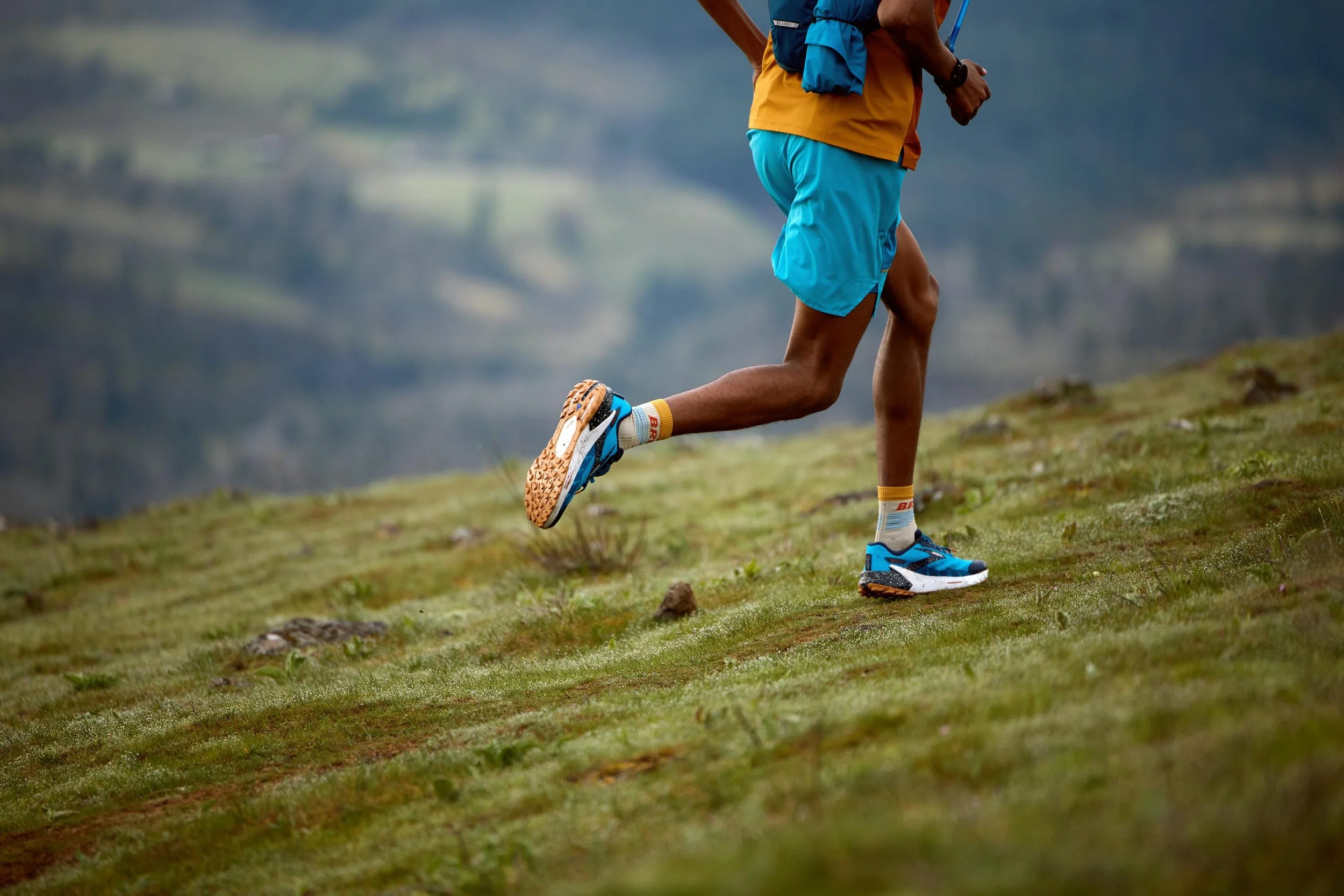
Efficiency of Movement: Prioritize "The Big Three": The wide environmental shot, the medium action shot, and the tight detail/texture shot. Getting these for both stills and motion at every setup ensures a "full" asset library for the agency.